Keynotes
To see the complete abstract, please click on the name of the presenter.
Prof. Dr. Dané COETZEE
SOUTH AFRICA
Senior Young Leader (GCHSYL) Board member – BRICSCESS Past President – South African Professional Institute for Kinderkinetics (SAPIK) Program Leader: Kinderkinetics Faculty of Health Science School of Human Movement Sciences North-West University - Potchefstroom South Africa
Prof. Dr. Dané COETZEE
SOUTH AFRICA
Kinderkinetics as a Science-Based Strategy for Promoting Holistic Health in Childhood: Implications for Global Practice
The increasing global prevalence of childhood inactivity, developmental delays, and non-communicable health risks underscores the urgent need for scientifically grounded and developmentally appropriate interventions. This keynote addresses how Kinderkinetics, a movement science-based intervention programme developed in South Africa, offers a comprehensive, evidence-based approach to early childhood health promotion.Rooted in paediatric motor development and neurodevelopmental theory, Kinderkinetics focuses on enhancing motor competence, physical fitness, and perceptual-motor skills in children from birth to 13 years. The presentation will outline current findings that demonstrate the links between physical activity, neuroplasticity, and learning readiness, as well as how early motor interventions can mitigate risk factors for poor academic, emotional, and physical outcomes.Key components of the Kinderkinetics model, including individualised programming and integration within early learning environments, will be critically discussed. Case examples from longitudinal studies and community-based interventions will illustrate its applicability across diverse socio-economic contexts.The keynote will further explore how Kinderkinetics aligns with Sustainable Development Goals, specifically SDG 3 (Good Health and Well-being) and SDG 4 (Quality Education), and how international collaboration can strengthen the implementation of holistic, science-driven strategies to empower future generations.
- Email:12129941@nwu.ac.za
Prof. Dr. Ming-Kai CHIN
HONG KONG-CHINA
Founder and President, Foundation for Global Community Health (GCH) Founding and Immediate Past President, BRICSCESS Co-Founder & Former President, Asian Council of Exercise and Sports Science (ACESS) Hong Kong-China
Prof. Dr. Ming-Kai CHIN
HONG KONG-CHINA
Brain Breaks: Connecting Future Learning, Holistic Well-Being, and Education with AI from a Global Perspective
Physical activity (PA) is widely recognized as a key contributor to enhanced quality of life, a healthier lifestyle, and a reduced risk of chronic disease. Research also confirms that PA significantly benefits children's cognitive performance and academic achievement. In recent years, educational technology tools have seen increasing integration into classrooms to support teaching, learning, and behavioral change. One such innovation is the use of online video platforms, such as HOPSports Brain Breaks®, which are supported by the Foundation for Global Community Health (GCH). These videos align with the Whole School, Whole Community, Whole Child (WSCC) framework and the United Nations’ 17 Sustainable Development Goals (UNSDG 17). Designed to increase physical activity among children, Brain Breaks® have been adopted in over 70 countries. Brain Breaks® videos are brief, engaging classroom activities aimed at enhancing academic learning across disciplines. With the integration of artificial intelligence (AI), they serve as powerful tools to promote movement-based learning, mindfulness, values education, and age-appropriate digital literacy. Studies have shown that Brain Breaks® improve students’ self-efficacy, readiness to learn, attitudes toward physical activity, and health knowledge. Additionally, research demonstrates that these tools enhance children's understanding of subjects such as music, language, culture, and the arts—while also supporting lasting behavioral change. As AI continues to evolve, Brain Breaks® have the potential to further empower young learners by promoting critical thinking and holistic development, preparing them to engage meaningfully with an increasingly digital and interconnected world.
Prof. Dr. Yulia GUSHCHINA
RUSSIA
Co-Founder, BRICSCESS Deputy Director for International Affairs of Institute of Medicine Department of General and Clinical Pharmacology of Institute of Medicine RUDN University Russia
Prof. Dr. Yulia GUSHCHINA
RUSSIA
Adaptive physical education in Russia: technologies and inspiring projects
Adaptive Physical Education (AFK) in Russia is an evolving and impactful field dedicated to promoting the social inclusion and physical rehabilitation of individuals with disabilities. This article explores cutting-edge strategies and promising practices currently shaping the landscape of AFK across the country. Drawing from recent governmental programs, scientific research, and successfully implemented initiatives, the article provides an overview of innovative approaches aimed at enhancing the quality and accessibility of physical education for people with diverse needs. Particular emphasis is placed on the integration of modern technologies such as virtual reality-based rehabilitation tools, the application of exoskeletons like EXOATLET, and the use of digital platforms such as AFK-Online, which are revolutionizing the way adaptive physical education is delivered. Additionally, the article highlights the growing popularity of inclusive physical activities such as adaptive surfing, sledge hockey, and wheelchair dancing, illustrated through examples like the Dream Ski League and Surf Therapy programs. The future of AFK in Russia is examined through the lens of increasing government support, the incorporation of artificial intelligence, and the adoption of best practices from international models. This comprehensive overview is intended for professionals in physical education, rehabilitation, inclusive project development, and researchers focused on adaptive and assistive technologies.
Prof. Dr. Ricardo R. UVINHA
BRAZIL
Founding Member and Secretary General of BRICSCESS Full Professor, School of Arts, Sciences and Humanities University of Sao Paulo Sao Paulo, Brazil
Prof. Dr. Ricardo R. UVINHA
BRAZIL
The BRICS+ as a strategic bloc for advancing health and physical activity promotion: lessons from the Brazilian reality
In recent years, the BRICS+ nations have emerged not only as influential geopolitical and economic players, but also as a strategic alliance in addressing global health challenges. This keynote will explore the pivotal role of the BRICS+ framework in advancing health, physical activity, and well-being across diverse populations. Drawing on Brazil’s experience, the presentation will highlight critical public health concerns related to sedentary lifestyles and obesity. According to the latest national surveys, nearly 57% of Brazilian adults are classified as overweight, and approximately 47% are considered physically inactive, making physical inactivity one of the country’s most pressing public health issues. These trends are echoed across other BRICS+ nations, underscoring the urgency for collaborative and coordinated action. The keynote will present insights from interdisciplinary research in Brazil on leisure, physical activity, and health promotion, particularly within socially vulnerable communities. It will also propose pathways for joint research, academic exchange, and policy development under the BRICSCESS framework, while emphasizing the critical importance of cooperation in tackling shared challenges. This keynote aims to inspire collective engagement among BRICSCESS partners, highlight the strategic value of the BRICS+ bloc in fostering global health equity, showcase leisure and community-based programs as effective tools for promoting active lifestyles and identify opportunities for integrated action through BRICSCESS to build healthier and more inclusive societies.
Prof. Dr. Pooja ANAND
INDIA
She is an active member of the Haryana State Council of Physiotherapy, State Head -Haryana,Indian Association of Physiotherapy and the Indian Association of Sports Medicine. She has participated in a collaborative research program under a scholarship scheme at the University of Tsukuba, Japan, and has edited 5 books and published around 45 papers in International and National Journals. Her expertise has been recognised through invitations to deliver lectures and conduct workshops at national and international sports rehabilitation institutes. She served as a resource person for the sports rehabilitation course at the Bangladesh Institute of Sports Science and presented two research papers at an international conference held in Bangkok. She has also been a speaker at numerous national and international conferences.
With 22 years of academic and clinical experience, she has supervised, instructed, and assessed undergraduate, postgraduate, and doctoral students in research. Her research interests include exercise physiology, sports rehabilitation, and alternative therapies, and she has published extensively in international journals. She served as the Organising Secretary for the prestigious 7th Asia-Pacific Conference on Exercise and Sports Sciences held at the Sports Authority of India, Jawaharlal Nehru Stadium, New Delhi. She has made significant contributions to the development of physiotherapy curricula and has actively promoted physiotherapy awareness through health programs, lecture series, workshops, and conferences.
India’s Contribution to Global Sports Wellness: From Traditional Wisdom to Physiotherapy Innovations
India has long embraced a holistic understanding of health and human performance, rooted in traditions that emphasize balance between the body, mind, and environment. Practices such as Yoga, Ayurveda, and indigenous physical culture offer time-tested insights into flexibility, endurance, breath control, recovery, and mental resilience, elements that align closely with contemporary concepts of sports wellness. In today’s rapidly evolving sports landscape, physiotherapy in India is drawing upon this traditional wisdom while integrating modern scientific approaches. From evidence-based rehabilitation and injury prevention strategies to the incorporation of mindfulness and lifestyle interventions, Indian Physiotherapists are advancing models of care that go beyond short-term performance outcomes to prioritize lifelong health and participation. This lecture will highlight how India’s dual legacy- traditional holistic practices and innovative physiotherapy research can contribute meaningfully to global efforts in promoting sustainable athlete development. By bridging heritage and science, India positions itself not only as a nation striving for sporting excellence but also as a key contributor to shaping a culture of wellness, inclusivity, and resilience in sport.
Prof. Mingkai CHIN
(HONG-KONG & CHINA)
Prof. Myriam GUERRA-BALIC (SPAIN)
Prof. Gulshan KHANNA
(INDIA)
Prof.Stephen KOPECKY
(USA)
Prof. Uri SCHAEFER
(ISRAEL)
Invited Speakers
To see the complete abstract, please click on the name of the presenter.
Prof. Nara Rejane CRUZ DE OLIVEIRA (BRAZIL)
Prof. Hans DE RIDDER
(SOUTH AFRICA)
Prof. Gıyasettin DEMİRHAN
(TURKEY)
Prof. Serap INAL
(TURKEY)
Prof. RAJESH KUMAR
(INDIA)
Associate Prof. Foong Kiew OOI
(MALAYSIA)
Prof. Chae-Hee PARK
(REPUBLIC OF KOREA)
Prof. Yulia GUSHCHINA
(RUSSIA)
- Youth Health in Focus: Integrating Pharmacology and Epidemiology for Comprehensive Sports Science Advancements
Prof. Fatma SAÇLI UZUNÖZ
(TURKEY)
Prof. Maya VAN GENT
(SOUTH AFRICA)
Prof. Cinthia LOPES DA SILVA
BRAZIL
Board member, BRICSCESS Coordinator of Physical Education Undergraduate courses, Federal University of Paraná Brazil
Prof. Cinthia LOPES DA SILVA
BRAZIL
Health and Education: Adventure-Based Physical Practices for Students in Public Schools of Curitiba, Paraná, Brazil
The urbanization process has led people to seek physical activities and practices in both urban and natural environments, as evidenced by the wide range of options offered by specialized companies: canoeing, rappelling, skydiving, trail hiking, surfing, and various sports. However, people often engage in these activities as a form of escape from routine, for rest, or as a compensatory or palliative experience. As a result, these practices may be approached with a purely consumerist mindset, which highlights the need for educational processes aimed at leisure and health.This work presents an initiative currently being implemented at the Federal University of Paraná (UFPR), Brazil, which is characterized by the integration of health, leisure, and education studies. The goal of the project is to provide access to adventure-based physical practices—such as slacklining, parkour, trail hiking, games, and playful activities that engage the body and include elements of adventure—to the community, particularly students from public schools in Curitiba, Paraná, Brazil. The program may reach up to 40 children and adolescents through activities conducted from May to December 2025. It is supported by three undergraduate Physical Education students from UFPR who serve as scholarship holders. So far, the experience suggests that the initiative contributes to health education through leisure elements such as fun, personal and social development, and sociability among children and youth. It creates a favourable environment for learning and for awakening an awareness of health care through interdisciplinary knowledge.
Prof. Dr. Ahmad Munir Che MUHAMED
MALAYSIA
Department of Community Health Advanced Medical and Dental Institute Universiti Sains Malaysia Penang, Malaysia
Prof. Dr. Ahmad Munir Che MUHAMED
MALAYSIA
Assoc. Prof. Dr. Ahmad Munir Che Muhamed is an Associate Professor in Sport and Exercise Science at the Department of Community Health, Advanced Medical and Dental Institute (AMDI), Universiti Sains Malaysia, Penang. As one of the pioneer in his field in Malaysia, a distinguished scholar and academic leader, he serves as the founding head of the Master of Science (Clinical Exercise Science) program at AMDI.
Specializing in environmental exercise physiology, Dr. Ahmad Munir has made significant contributions to understanding how environmental humidity influences heat stress development and impacts sports performance. His pioneering research provides crucial insights into human physiological responses under thermally challenging conditions, particularly in tropical climates.
Dr. Ahmad Munir earned his Bachelor and Master of Science degrees in Exercise Science from Indiana State University (1994, 1996) and completed his PhD in Exercise and Sports Science at The University of Sydney in 2005. Throughout his illustrious career, he has been honoured with numerous academic awards and recognitions that testify to the excellence and impact of his work. Dr. Ahmad Munir has successfully secured extensive national and international research grants as principal investigator while maintaining an active role in postgraduate supervision, having guided numerous MSc and PhD candidates to completion.
An accomplished researcher, Dr. Ahmad Munir has authored over 60 publications in reputable journals and established an extensive research network of international collaborations. His work bridges fundamental scientific inquiry with practical applications, benefiting athletes, occupational workers, and communities facing climate-related health challenges.
Climate Boiling in the Tropics – Health, Exercise, and Societal Challenges
Currently around 40% of the world’s population live in the tropics. At current rates of population growth, by 2050, more than half of the world’s people will live in the region. Rising global temperatures have pushed tropical regions into a dangerous era of "climate boiling," with extreme heat and humidity posing severe risks to residents. Prolonged heatwaves and hotter nights disrupt daily life, reducing physical endurance and increasing heat-related illnesses. Heat stress significantly lowers exercise capacity, making outdoor labor, sports, and even routine activities hazardous. Vulnerable groups, including children and the elderly, face heightened dangers—dehydration, heatstroke, and exacerbated chronic conditions like heart and respiratory diseases. Children’s developing bodies struggle to thermoregulate, while aging populations experience higher mortality rates during extreme heat.
This presentation will examine compelling new evidence from physiological and environmental studies demonstrating how extreme heat and humidity combine to significantly impair human physical capacity, reducing endurance, compromising thermoregulation, and increasing cardiovascular strain. The presentation will then discuss the evidence-based solutions, exploring innovative interventions ranging from personalized cooling strategies and advanced fabric technologies to optimized heat acclimation protocols, all specifically tailored to address the distinct challenges posed by humid heat. By bridging cutting-edge research with practical applications, this presentation aims to provide actionable insights for enhancing human performance and safety in our warming world.
Prof. Dr. Maya VAN GENT
SOUTH AFRICA
Associate Professor, Department of Human Movement Science University of Fort Hare, South Africa
Prof. Dr. Maya VAN GENT
SOUTH AFRICA
Empowering Adolescents through Evidence-Based Body Composition and Physical Activity Interventions
Adolescents face increasing health challenges linked to non-communicable diseases (NCDs), often rooted in poor physical activity levels, unhealthy body composition, and psychosocial stress. This presentation explores a holistic, science-based study conducted in the Eastern Cape, South Africa, which integrates physical, behavioral, and psychological data to better understand adolescent NCD risk and promote sustainable health solutions. The research involved over 250 adolescents aged 12–18, assessing anthropometric measures, body composition (including BMI, fat percentage, and waist-to-hip ratio), physical activity levels, and mental well-being indicators. Findings revealed that higher body fat percentages and lower physical activity were strongly associated with increased NCD risk. Additionally, gender and school context influenced both physical and psychological health outcomes. Aligned with Sustainable Development Goal 3, the study emphasizes early identification of risk through accessible and age-appropriate tools, alongside targeted school-based interventions. These include structured physical activity, peer support, and health education, fostering both physical and emotional resilience. This presentation further highlights the importance of interdisciplinary strategies that empower adolescents through knowledge, active participation, and supportive environments. By focusing on locally relevant, evidence-based practices, we can address both immediate health risks and long-term well-being, particularly in underserved communities. Ultimately, this research contributes to a global movement advocating for holistic youth health strategies that are equitable, scalable, and grounded in science.
Prof. Dr. J. Hans DE RIDDER
SOUTH AFRICA
President, BRICSCESS President, BRICSCESS Congress 2019- Cape Town Board of Directors, the GCH Foundation Immediate Past-President, ISAK Director, School of Human Movement Sciences, North-West University-Potchefstroom South Africa
Prof. Dr. J. Hans DE RIDDER
SOUTH AFRICA
Somatotypes and Body Size in Rugby: Their Impact on Concussion Risk
Rugby union is a high-impact, collision sport where physical attributes such as body size, mass, and somatotype (body type classification) significantly influence performance and injury risk. Among these, concussion has emerged as a major concern due to its short- and long-term effects on player health. This study explores the relationship between somatotypes—endomorphic (higher fat), mesomorphic (muscular), and ectomorphic (lean)—and body size with the incidence and severity of concussion in rugby players. Evidence suggests that players with a predominantly mesomorphic somatotype, who often occupy forward positions, experience a greater frequency of high-impact collisions due to their role in scrums, rucks, and mauls. While their muscular build may offer some protective advantage, the increased exposure to contact raises their concussion risk. Conversely, ectomorphic players, often backs, may have lower collision rates but may be more vulnerable to concussion due to less muscle mass and lower body mass index. Endomorphic players may have added soft tissue protection, but excess body fat may hinder agility, leading to awkward tackles and higher head impact exposure. This abstract discusses the implications of somatotype and body size not only in predicting concussion risk but also in guiding targeted prevention strategies, position-specific training, and safer game practices. Understanding these associations can aid coaches, medical staff, and sport scientists in developing informed protocols to reduce head injuries, contributing to a safer playing environment in rugby across all levels.
Dr. Nor MF FARAH
MALAYSIA
Senior Lecturer Center for Community Health, Faculty of Health Sciences, Universiti Kebangsaan Malaysia Malaysia
Dr. Nor MF FARAH
MALAYSIA
From Evidence to Action: Insights from the SEANUTS II Study on Physical Activity, Fitness, and Cardiometabolic Health in Malaysian Children
Childhood overweight and obesity is a significant global health concern, with data showing a persistent upward trend across most countries and regions, despite global efforts. This alarming trajectory carries long-term implications, contributing to increased risks of early-onset non-communicable diseases in adulthood and significant societal costs in the future. Physical activity not only improves metabolic health outcomes but also lay the foundation for healthier behaviours and improved quality of life in later years. This presentation draws on findings from the Malaysian cohort of the South East Asian Nutrition Surveys II (SEANUTS II), a multi-country initiative investigating nutritional status, growth, and physical activity in children across Indonesia, Malaysia, Thailand, and Vietnam. This talk focuses specifically on physical activity, physical fitness, and cardiometabolic health in Malaysian children. Findings from over 1,500 children aged 7 to 12 years revealed that nearly one-third were overweight or obese. Only 10% of the studied population met the WHO’s recommended 60 minutes of daily moderate-to-vigorous physical activity (MVPA), and over 60% of waking hours were spent in sedentary activities. Higher MVPA was linked to better cardiorespiratory fitness, muscular strength, and body composition. A subsample analysis further revealed that cardiorespiratory fitness is a significant contributor to cardiometabolic health and moderates the relationship between physical activity and cardiometabolic risk. Public health initiatives, research efforts, and policies must align to prioritise early prevention, promote physical fitness, and ensure that both school and community environments support active living in the younger generation.
Prof. Dr. Gıyasettin DEMIRHAN
TURKEY
Board of Directors, GCH Board of Directors, WLO World Director Board, FIEPS Head, PE and Sports Teaching, Faculty of Sports Sciences, Hacettepe University Board of Directors, Sports Volunteers Association Board of Director, WPEA Member, Turkish National Olympic Committee Former President, Turkish Sports Sciences Association Former Dean, Faculty of Sports Sciences Hacettepe University Turkey
Prof. Dr. Gıyasettin DEMIRHAN
TURKEY
The Surprising Connection and Impact of Physical Activity on Cognitive Function and Academic Achievement
This presentation aims to explain the effects of physical activity on brain function and academic achievement. The content of the presentation is based on current literature and our research. Combining neuroscience, psychology, and educational science helps clarify the important effects of physical activity on mental functions and academic achievement. Physical activity improves cognitive functions and academic achievement through various interconnected mechanisms. From a neurophysiological perspective, exercise stimulates neuroplasticity and cognitive development by increasing blood flow and oxygen levels to the brain and promoting the production of brain-derived neurotrophic factor (BDNF). Psychologically, it enhances executive functions such as attention, working memory, and inhibitory control, which are essential for academic achievement. Additionally, physical activity positively affects mood by lowering cortisol levels while increasing serotonin and dopamine levels. When these factors come together, physical activity enhances mental clarity, supports learning, and promotes academic achievement. Various academic resources indicate that physical activity can improve brain function and enhance academic achievement. Numerous research findings demonstrate a beneficial connection between physical activity, cognitive function, and academic achievement.
Prof. G L KHANNA
INDIA
Former Pro-Vice-Chancellor at MRIIRS, Faridabad and SGT University Gurugram Delhi-NCR Advisor Sports Science SGT University Gurugram Academic Advisor Delhi Pharmaceuticals and scientific Research University New Delhi INDIA
Prof. G L KHANNA
INDIA
A Strategic Academic, industryand Scientific Framework for Achieving Olympic Excellence by India in 2036
India’s aspiration to emerge as a top Olympic nation by 2036 aligns with its developmental vision for 2047. To realize this ambition, a comprehensive academic and scientific framework is needed—one that integrates grassroots talent development, sports science, high-performance systems, and academic excellence. This paper proposes a multilayered model grounded in global best practices and adapted to Indian realities.The framework is built on various interconnected strategies and planning, – a nationwide grassroots talent identification and nurturing system; the integration of sports science through athlete monitoring, mental conditioning, injury prevention, biomechanics, and climate-resilient training; educational reform enabling dual career pathways, flexible curricula under NEP 2020, and coach development; creation of high-performance centers with cutting-edge infrastructure and digital tools;– a unified national policy and governance mission with data-driven management and accountability systems.Academic institutionsuniversities and schools are envisioned as central hubs for athlete development, research, and innovation. Public-private partnerships, CSR funding, and AI-driven analytics will support early talent identification, athlete welfare, and performance optimization. Research in sports science and new technology will drive innovation. Hosting the 2036 Olympic Games is seen not just as a sporting milestone but a national opportunity for youth empowerment, cultural diplomacy, and global leadership.Targeted outcomes by 2036 include a top-10 Olympic ranking, certified coaches, and over 1,000 high-impact research outputs. This mission-based, collaborative approach—uniting government, academia, federations, and industry—can transform India from a participation-driven model into a podium-oriented Olympic powerhouse.
Dr. Cristina Ortega NUERE
SPAIN
Global frameworks and leisure-basedstrategies for holistic youth well-being
The health and well-being of children and youth stand at the heart of a just, sustainable global future. In alignment with international frameworks such as the United Nations 2030 Agenda(notably SDG 3: Good health and well-being, and SDG 4 ), UNESCO Incheon Declaration and Framework for Action for the implementation of Sustainable Development Goal 4 – Education 2030, UN Youth Strategy – Youth 2030, or EU Youth Strategy 2019–2027. This presentation explores how holistic and evidence-based health approaches are key to empowering younger generations.Within this context, the World Leisure Organization promotes the values embedded in the Charter for Leisure, emphasizing leisure as a fundamental human right and a platform for inclusive, intersectoral health promotion. The Charter calls for ensuring access to leisure opportunities that support physical, mental, emotional, and social well-being—particularly among youth.This presentation highlights innovative programs that operationalize these frameworks. Among them: UNESCO’s Happy Schools Framework, WHO’s Health Behaviour in School-aged Children (HBSC) study, and WLO’s World Leisure Youth Ambassadors Program, which cultivates leadership through community-based, leisure-driven health initiatives. These models reflect how science-based interventions—combined with local knowledge and intergenerational engagement—can build individual resilience, social connection, and lifelong well-being.Ultimately, investing in the holistic development of youth through integrated leisure and health strategies is both a rights-based obligation and a strategic pathway toward more equitable, peaceful, and thriving societies.
Prof. Dr. Biljana POPESKA
NORTH MACEDONIA
Senior Young Leader, The Foundation for Global Community Health (GCH) Faculty of Educational Sciences, Goce Delcev University Stip Republic of North Macedonia
Prof. Dr. Biljana POPESKA
NORTH MACEDONIA
“Empowering Students and Young Women through Accessible and Sustainable Physical Activity Interventions: Insights from University and Community-Based Programs in North Macedonia”
Popeska, B1., Jovanova – Mitkovska, S2 & Dzidrov, M3 1, 2 Goce Delcev University, Faculty of Educational Sciences – North Macedonia 3Goce Delcev University, Faculty of Engineering – North Macedonia Regular physical activity is critical for the physical and mental health of university students and young women, a population often facing increased stress, sedentary behavior, and limited access to structured health-promoting opportunities. Health and sport science professionals play a key role in designing and delivering supportive environments that encourage active lifestyles and holistic well-being. This study aimed to explore the implementation and impact of four physical activity intervention programs developed by Goce Delčev University in North Macedonia, targeting women aged 18 to 40. The programs—TABATA Active Breaks, Outdoor Activities (running, walking, cycling), Partner CrossFit & Pilates, Trail Running, and an Online Fitness Challenge—were delivered in university and community settings to promote engagement, accessibility, and long-term participation. Using a qualitative methodology, we conducted semi-structured interviews with participants and program team members to evaluate experiences, identify barriers and enablers, and generate recommendations for increasing program effectiveness, accessibility, and sustainability. Key findings revealed the importance of program features such as flexible scheduling, no-cost participation, online accessibility, transport and equipment support, and alignment with participants’ interests. Social factors—such as working with motivated professionals, maintaining consistent peer groups, and fostering community support—emerged as essential for sustained engagement.The study offers key lessons learned and practical recommendations for health and sport science professionals aiming to design sustainable and inclusive interventions. By focusing on participant experiences and implementation insights, the findings contribute to the development of effective, scalable strategies to support the health and well-being of young women in university and community settings.
Prof. Myriam GUERRA-BALIC
SPAIN
Full Professor of Exercise Physiology Board of Directors Foundation GCH Head of Department of Sport Sciences and Sport Management FPCEE-Blanquerna University Ramon Llull Barcelona, Spain
Prof. Myriam GUERRA-BALIC
SPAIN
“Empowering adults with Intellectual and Developmental Disability as Future Fitness instructors: the Same-Same project”
Around 1-2% of the European adult population have an intellectual/developmental disability (IDD). These people need to feel that they belong to their community, and not only live in there. It appears that their relationship with people without IDD is very low, as they still find barriers accessing employment and other community services, such as health, education or recreation. Information about mentoring interventions there is a lack of research because most of the studies are descriptive, and they do not explain their effects. So, through the “Same-Same project: A Capacity-building and Empowerment e-Mentorship Program for People with IDD” (Erasmus-Sport-2022-SCP-LS; nº101089933, (https://www.samesameproject.eu/) it is intended to improve the lives of people with IDD, being able to create opportunities for leadership and employment. It is considered that people with IDD are smart and productive, so we will identify candidates to be trained, recognizing their potential, and not focusing on their limitations. The program will give adults with mild IDD (18-64 age) the knowledge, skills, and confidence to lead games and activities designed to improve functional fitness. Methods and materials used to teach and train this population will be presented. They will obtain skills for new kinds of jobs related to exercise, promoting inclusive and accessible education, increasing quality, innovation and recognition of the work performed, considering the UN-SDG-2030. It will help them to develop independent living and reinforcing community-based services. It also will improve the availability of high-quality learning opportunities designing a certification for people with IDD in our university.
Prof. Dr. G. BALASEKARAN
SINGAPORE
President, Asian Council of Exercise & Sports Science (ACESS) American College of Sports Medicine (ACSM) Health Fitness Director Fellow of ACSM (FACSM) Fellow of European College of Sports Science (FECSS) Head, Physical Education & Sports Science (2015-2018) National Institute of Education, Nanyang Technological University Programme Director, Sport Science & Management (2015-2018) Nanyang Technological University Singapore
Prof. Dr. G. BALASEKARAN
SINGAPORE
“Effects of Sugared Drinks on Performance in High Intensity Anaerobic Sprint Test and other Physiological Measures”.
Athletes often opt for isotonic drinks to enhance performance during physical exercise, whereas sugared drinks are typically shunned for the same purpose. The aim of this study was to investigate the effect of consuming Coca-Cola (CC) on high-intensity anaerobic sprint performance. A total of 18 participants (9 males and 9 females) were recruited for a randomized single-blinded experiment over two sessions. Each session involved consuming either 300 ml of CC or Coca-Cola Zero Sugar (CCZS) as the placebo. Following 1.5 hours of ingestion, participants underwent the Running-Based Anaerobic Sprint Test (RAST). RAST comprised one set of six 35-meter sprints with 10-second recovery intervals, followed by a second set after a 4-minute rest period. Rate of Perceived Exertion (RPE), heart rate (HR), and total effort time (TET) were recorded. Power output (PO), maximal velocity (MV) and fatigue index (FI) relative to body mass were calculated. There were significant results between 2nd RAST of CC and CCZS for TET (CC: 37.80 ± 3.49 s vs. CCZS: 39.00 ± 3.20 s, p = 0.004); Mean PO (CC: 311.89 ± 108.26 W vs. CCZS: 292.39 ± 116.97 W, p = 0.042); MV (CC: 5.27 ± 0.54 s vs. 4.99 ± 0.43 s, p = 0.002). This study concluded that the consumption of sugared drinks resulted in elevated blood glucose levels, which increased glycogen storage and significantly enhanced TET, mean PO and MV. Therefore, athletes engaged in anaerobic activities may benefit from incorporating sugared drinks as part of their pre-exercise nutrition strategy to optimise performance.
Dr. Daga MAKAZA
ZIMBABWE
GCH Scientific Advisor Senior Lecturer and Department Chairperson Department of Sports Science and Coaching Faculty of Applied Science National University of Science and Technology Zimbabwe
Dr. Daga MAKAZA
ZIMBABWE
Feasibility & Impact of a WHO-Based PA Intervention for HIV-Positive Young Adults in Zimbabwe
This study addressed the critical gap in evidence for structured physical activity (PA) interventions for young adults (18-30 years) living with HIV in resource-limited settings like Zimbabwe, despite known benefits. It assessed the feasibility and effectiveness of translating WHO PA guidelines into practice within a Harare hospital context. A pragmatic 4-week, guided, and supervised exercise program based on WHO recommendations was delivered to 30 participants recruited from Pararenyatwa Central Hospital. Quantitative pre-post intervention data were collected using the Global Physical Activity Questionnaire (GPAQ), anthropometric measurements, and the standardized Eurofit test battery. Baseline PA levels were heterogeneous (10% inactive, 53% moderately active, 27% highly active). Post-intervention results demonstrated highly significant and robust improvements in key physical fitness domains: Handgrip Strength (p < 0.001), Abdominal Endurance (p < 0.001), Leg Power (p < 0.001), and Upper Body Endurance (p = 0.011). While trends towards increased PA and reduced sedentary behaviour were observed, these changes did not reach statistical significance within the short timeframe and sample size. The study conclusively demonstrates that a structured, supervised WHO-based exercise program is highly feasible and effective in a real-world Zimbabwean setting. It rapidly and significantly enhanced crucial physical fitness components (strength, power, endurance) in young adults with HIV, translating directly to improved functional capacity, potential mitigation of ART side effects and fatigue, and enhanced quality of life. This provides robust proof-of-concept that such programs are a viable, low-cost adjunct to pharmacological management, empowering healthier futures in Zimbabwe and similar contexts. Longer-term strategies may be needed for significant PA/SB habit changes.
- Email:dmakaza@gmail.com
Dr. Dessalegn Wase MOLA
ETHIOPIA
Assistant Professor of Sport Science President of Ethiopian Kho-Kho Association, (2024 – Present) Board of Directors of the BRICSCouncil of Exercise and Sports Science, BRICSCESS (2025-Present) Department of Sport Science, Ambo University, P.O. Box 19, Ambo , Oromia, Ethiopia
Dr. Dessalegn Wase MOLA
ETHIOPIA
Adapting Managerial Skill Frameworks for Effective Talent Development and Identification in Ethiopian Athletics: An Exploratory Study
The growth of athletics in Ethiopia highlights the vital role of athlete managers in identifying, nurturing talent, and guiding athletes through long-term development while avoiding early specialization. Despite Ethiopia’s success, gaps in managerial competencies hinder effective talent development and athlete sustainability. This study examines the impact of athlete managers on talent development, talent identification, and managerial skills in Ethiopian athletics. A descriptive survey was conducted across 12 public athletic clubs with 810 randomly selected participants, using three validated instruments: the Long-Term Talent Development Environment Questionnaire (LTDEQ), Talent Identification Questionnaire (TIQ), and Managerial Skill Questionnaire (MSQ). Reliability scores ranged from 0.75 to 0.83. Factor analyses adapted these tools to the Ethiopian context, improving reliability and validity: LTDEQ (Cronbach’s alpha 0.927–0.932), TIQ (0.879–0.885), and MSQ (0.791–0.831). Findings emphasize the critical role of managerial competencies in enhancing talent development and identification. The adapted tools demonstrated superior psychometric properties, and their adoption is recommended for athlete development strategies and managerial training in Ethiopia’s sports sector.
Ms. Veronika LOGINOVA
RUSSIA
Director General, Russian Anti-Doping Agency “RUSADA” Russian Federation
Ms. Veronika LOGINOVA
RUSSIA
Young Athletes and Anti-Doping: Focus on Health and Safety
The report focuses on the critical issue of protecting the health and safety of young athletes in the context of anti-doping measures. It will examine the unique physiological and psychological characteristics of young athletes that make them particularly vulnerable to the negative effects of the use of prohibited substances and methods. Special attention will be paid to preventive measures, educational programs and ethical aspects of sports reserve training. Current challenges and trends in the field of anti-doping will be analyzed, as well as best practices for creating an honest and safe sports environment conducive to the harmonious development of young athletes will be presented. The purpose of the report is to emphasize the need for an integrated approach that combines strict compliance with anti-doping rules with prioritizing the health and well-being of future generations of athletes from the BRICS countries.
Dr. Marla Frances T. MALLARI
PHILIPPINES
Dean of the UP College of Human Kinetics Vice President of the Sports Nutrition Association of the Philippines Panel secretary of the newly established UPD Research Ethics Board University of the Philippines College of Human Kinetics University of the Philippines
Dr. Marla Frances T. MALLARI
PHILIPPINES
Advancing Nutrition Literacy in Student-Athletes for Performance and Preventive Health
The development of nutrition literacy among student-athletes represents a foundational strategy for optimizing both athletic performance and long-term health outcomes. As nutritional demands increase during adolescence and early adulthood due to intensive training, growth, and cognitive development, the ability to understand, evaluate, and apply nutrition-related information becomes crucial. This presentation examines the intersection of sports nutrition science, behavioral health, and education to promote the advancement of nutrition literacy among athletic populations. From emerging evidence in performance nutrition, topics such as energy availability, hydration practices, nutrient timing, and recovery fueling will be discussed.Apart from physiological concerns, the presentation will address how athletes interpret food labels, navigate nutrition misinformation, and make informed food choices amidacademic, cultural, and social pressures. Theneed for developmentally appropriate, context-specific, and culturally responsive approaches to nutrition education is recognized; hence, a more holistic framework that incorporates long-term wellness, psychological resilience, and sustainable health behaviors is proposed.Additionally, the role of coaches, athletic staff, and institutions in creating supportive environments is highlighted.By grounding nutrition literacy within a science-based and athlete-centered paradigm, proactive and inclusive health strategies that extend beyond the training years can be developed. The aim is to empower future generations of athletes to become informed, health-conscious individuals both on and off the field.
Prof. Dr. Ke ZHOU
CHINA
Board of Directors, BRICSCESS Executive Board Member, ACESS Dean, School of Physical Education & Sports, Henan University, Henan Province, China
Prof. Dr. Ke ZHOU
CHINA
High-quality development of school physical education in China: strategies and paths
High-quality development stands as the central theme of the country’s school physical education in the new era and serves as a fundamental imperative for advancing the modernization of physical education. To propel this development, it is essential to both theoretically deconstruct “what defines high-quality” and practically explore “how to achieve high-quality” within school physical education. Employing logical analysis and bibliometric methods, this study examines the challenges to advancing high-quality school physical education in China, also points out the strategies and pathways for high-quality development in school physical education. The study posits that high-quality development in school physical education prioritizes excellence in quality and responsiveness to stakeholders’ demands for superior physical education. The study suggests that: (1) Promoting the implementation of the fundamental task of cultivating morality and talents through core competencies; (2) developing students' physical health to meet the pursuits of the people for a better life; (3) realizing the value of sports education through the mutual promotion of physical education curriculum and physical education teaching; (4) continuously supporting the development of high-quality school physical education through the construction of physical education teacher teams; (5) exploring innovative models of integrating sports and education through campus football program promotion. Building on these insights, the study proposes actionable pathways: (1) Anchoring education-centric values to systematically develop a moral and humanistic school physical education framework; (2) prioritizing disciplinary core competencies to design competency-driven physical education and health curricula; (3) advancing in-depth pedagogical practices to foster transformative, deep-learning-oriented teaching models; (4) strengthening teacher development to enhance the structural and qualitative optimization of physical education faculty; and 5) promoting collaborative governance among stakeholders to harness systemic synergies for high-quality school physical education.
- Email:zhouke221@126.com
Prof. Dr. H. Serap INAL
TURKEY
Dean Faculty of Health Sciences Department of Physiotherapy and Rehabilitation Istanbul Galata University Turkey.
Prof. Dr. H. Serap INAL
TURKEY
Sport and Women's Health: Challenges for Female Amateur Athletes in Brazil
Historically, women's participation in sporting activities has been driven by the search for access and equity. In recent decades, the number of women taking part in sport has grown significantly, not only resulting in more professional athletes, but also more amateur athletes in Brazil. Although the proportion of physically active women remains lower than that of men, a higher percentage of women have taken up sports in the country since the pandemic, particularly outdoor activities such as street running and outrigger canoeing. This growth has been reflected in sporting competitions in recent years, especially in the women's master categories. Studies on women's health in relation to sports practices are necessary in this context, to develop the most effective and safe training protocols for women.Recent data shows that amateur athletes are more susceptible to health problems resulting from training with little scientific basis. A lack of knowledge about basic health issues, such as hormonal regulation and its relationship with sports training, can hinder women's progress in sport. This presentation discusses key health issues experienced by female amateur master athletes over the age of 40 who participate in street running and outrigger canoeing in Brazil. This discussion can increase the knowledge of the subject among athletes, coaches, and other sports professionals while contributing to scientific research.
Prof. Dr. Jianhui DAI
CHINA
Executive Board Member, ACESS Board of Directors, BRICSCESS School Physical Education and Sports Science Soochow University China
Prof. Dr. Jianhui DAI
CHINA
Sustainable Development Goals, Sports and Physical Activity: The Localization of Health-Related Sustainable Development Goals Through Sports in China: A Narrative Review
Sport has been recognized as an essential tool for the implementation of the SDGs by The Agenda 2030 for sustainable development. The Chinese government has launched a Healthy China 2030 plan in response to the health-related SDGs. The biggest life threat to Chinese people is NCDs due to physical inactivity. The Chinese government is focusing more on the promotion of physical activity through sports to achieve the SDGs regarding health. Sport is a vital tool to promote healthy living and physical activity in Chinese society. China is developing a “Soft Power” by supporting the sports and physical activity under The Agenda 2030 for sustainable development, further strengthening the global partnership of China in global matters. A program “Healthy Living for all’, has been implemented with the theme of “three reductions and threefold health”, under the health-related SDGs to achieve the target of Healthy China 2030. China is making tremendous progress towards the goal of Healthy China in multidimensional. To meet challenges and achieve health related SDGs, China must take more coordinated steps. In those areas where the SDG targets (in maternal and child health and nutrition) have already been achieved in China, the government should summarize the experiences and best practices be distributed to other low- and middle- income nations which, through cooperation under the Belt and Road Initiative, develop their national strategies for advancing the SDG in health. Moreover, the Chinese government should make more investment in public transport, renewable energy, and public sports facilities to achieve health-related SDGs more comprehensively.
Prof. Dr. Nara Rejane CRUZ DE OLIVEIRA
BRAZIL
Board of Directors, BRICSCESS Member of the GCH Foundation Human Movement Sciences Department Universidade Federal de São Paulo Brazil
Prof. Dr. Nara Rejane CRUZ DE OLIVEIRA
BRAZIL
Sustainable Development Goals, Sports and Physical Activity: The Localization of Health-Related Sustainable Development Goals Through Sports in China: A Narrative Review
Sport has been recognized as an essential tool for the implementation of the SDGs by The Agenda 2030 for sustainable development. The Chinese government has launched a Healthy China 2030 plan in response to the health-related SDGs. The biggest life threat to Chinese people is NCDs due to physical inactivity. The Chinese government is focusing more on the promotion of physical activity through sports to achieve the SDGs regarding health. Sport is a vital tool to promote healthy living and physical activity in Chinese society. China is developing a “Soft Power” by supporting the sports and physical activity under The Agenda 2030 for sustainable development, further strengthening the global partnership of China in global matters. A program “Healthy Living for all’, has been implemented with the theme of “three reductions and threefold health”, under the health-related SDGs to achieve the target of Healthy China 2030. China is making tremendous progress towards the goal of Healthy China in multidimensional. To meet challenges and achieve health related SDGs, China must take more coordinated steps. In those areas where the SDG targets (in maternal and child health and nutrition) have already been achieved in China, the government should summarize the experiences and best practices be distributed to other low- and middle- income nations which, through cooperation under the Belt and Road Initiative, develop their national strategies for advancing the SDG in health. Moreover, the Chinese government should make more investment in public transport, renewable energy, and public sports facilities to achieve health-related SDGs more comprehensively.
David MUSULBES
RUSSIA
Counsellor of the Minister of Sports of Russian Federation Counsellor of the President of Russian Olympic Committee Retired Olympic Russian Wrestler President of the Russian Athletes’ Union
David MUSULBES
RUSSIA
Ethical and Moral Impact of Doping: Undermining Fair Play, Equality, and Public Trust in Sport
Sport in the Commonwealth of Independent States (CIS) has transitioned from mere entertainment to a strategic tool for national development. It now serves as a catalyst for public health, social cohesion, youth engagement, international prestige, and economic growth. CIS member states increasingly view sport as a vital sector addressing demographic challenges, fostering national identity, and enhancing soft power. The strategic outlook emphasizes a dual approach: promoting mass, digitally enabled sport for citizen well-being and advancing high-tech professional sport to boost global standing and economic vitality. Success hinges on robust collaboration among government, private enterprise, and civil society, supported by intra-CIS cooperation. A key programmatic response is the Russian Union of Athletes’ initiative, “Olympic Champions — for Children, Youth, and Children’s Sport,” which mobilizes elite athletes to inspire youth, promote healthy lifestyles, and instill patriotic values. This long-term investment in human capital aims to nurture a resilient, ambitious generation with lasting societal impact.
Professor Hong HAO
CHINA
Dean of the Wushu College of Henan University, Wushu Research Institute of the General Administration of Sport of China Deputy Director of the Sports Culture and Industry Committee of the Chinese Culture Promotion Society
Professor Hong HAO
CHINA
Prof. Sultan Medzhidovich AKHMETOV
RUSSIA
Rector of the Kuban State University of Physical Education, Sports, and Tourism Professor, Honored Teacher of the Russian Federation Editor-in-chief of the journal "Physical Culture, Sport – Science and Practice
Prof. Sultan Medzhidovich AKHMETOV
RUSSIA
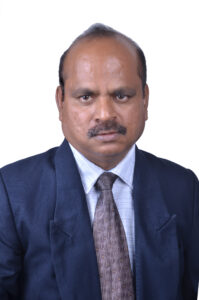
Innovative Research and Educational Practices in Physical Culture and Sport: The Experience of Kuban State University
The Kuban State University of Physical Culture, Sport and Tourism stands as a premier scientific and educational hub within the Southern Federal District of the Russian Federation. Renowned for its robust research infrastructure and highly qualified academic staff, the university plays a pivotal role in advancing physical culture and sports science. Its scholarly community comprises 260 researchers, including 36 Doctors of Science and 140 Candidates of Science, supported by doctoral students and postgraduates. Research initiatives align with the strategic priorities of the Russian Ministry of Sport, fostering several scientific schools led by distinguished scholars. Each year, the university undertakes over 30 research projects, including those funded by the Russian Science Foundation and the Kuban Science Foundation, and contributes to national R&D efforts. Collaborative studies support elite Russian teams in trampoline, beach volleyball, and canoe/kayak rowing. The university also provides ongoing consulting to coaches across 18 sports in the Krasnodar Region, translating research into athlete development. Its applied innovations have yielded over nine patents in recent years. Additionally, the university hosts a Dissertation Council and publishes the peer-reviewed journal Physical Culture, Sport – Science and Practice, recognized by the Russian Ministry of Education and Science as a leading academic publication in the field.